















 Benedikt

One million followers, and she's the last to know
In late February 2026, a fashion creator named Julia Berolzheimer learned from one of her own followers that Instagram had started adding a “Shop the Look” button to her posts. The button used AI to recognize the items in her content and then suggested similar products for purchase. She had over a million followers, and she had no idea that the feature was active on her account.
 This is precisely where the real problem lies. As Bloomberg first reported, the tool linked her carefully curated content to cheap knockoffs she had never seen. In her words, “cheap knockoffs and random items from brands I’ve never heard of” were attached “to my picture and under my name.” Instagram conducted the test with a limited group of users, and according to reports from Digiday, Glossy, and Modern Retail, neither the creators nor the brands say they were ever asked for permission.
For brands, this is a brand safety incident, not merely a matter of creator relationships. If a platform can place your product category next to a creator you’re collaborating with and secretly redirect that creator’s audience to a counterfeit product or a competitor, then the value you paid for starts to erode even before the first sale is made. And you’d find out just like Julia did—too late, and from someone else.
Trust is the real capital, and it shatters faster than reach
The response to “Shop the Look” only makes sense if you remember what audiences actually respond to. No one buys because a product appeared on the screen. People buy because someone they trust showed it to them.
The numbers behind this are anything but subtle. A2025 LTK report found that 84% of consumers trust a brand more when they see a creator demonstrating and reviewing its products on the brand’s website, and this trust runs particularly deep among Gen Z and Millennials. Nielsen’s long-standing research points in the same direction: 88% of respondents worldwide trust recommendations from people they know more than any other channel. This trust is built slowly, post by post, and it doesn’t transfer to a platform’s algorithm just because that algorithm can “read” a photo.
That’s exactly why Instagram remains the anchor for serious brand-building. According to Statista data, 80.8% of U.S. marketers run influencer campaigns on Instagram—more than on any other platform (57.7% use TikTok). Money follows trust, and trust follows the creator. So when an automated feature comes between the two, it jeopardizes the most valuable and least replaceable part of the entire system.
Now comes the uncomfortable part for marketers. You can’t control what a platform decides to test on a creator’s account. What you can control is who you partner with, how well you understand their audience, and how quickly you notice when something goes wrong. These are the real levers, and every single one of them comes down to testing or monitoring.
Why this raises the bar for creator vetting
If a platform can assign commercial value to a creator’s content on its own, then the creators you select matter more—not less. A partnership built on a genuine, engaged, and authentic audience can weather a failed platform experiment and still hold its ground. A partnership built on inflated follower counts or a poorly matched audience has no foundation from the start.
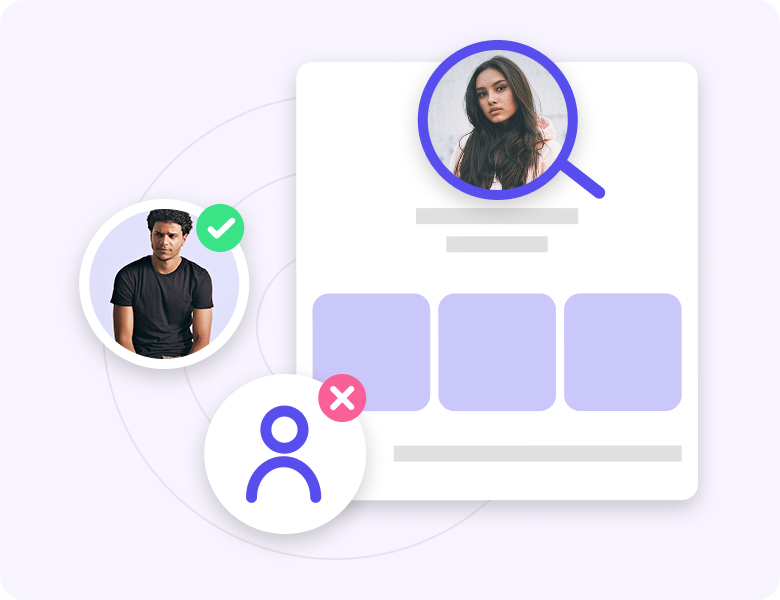
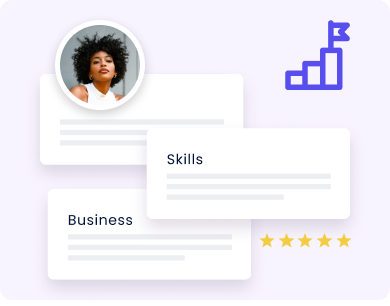
This means that the vetting process must go deeper than just a follower count and a polished media kit. Before even a single budget is approved, you want to know whether a creator’s audience is genuine, whether their past collaborations align with your standards, whether anything in their history poses a risk to your brand, and to what extent their reach overlaps with that of creators you’re already working with.
That’s exactly what IROIN®’saudience analysisis designed for. Teams can review a creator’s KPIs, the demographic data of their audience, their fake follower rate, the authenticity of their community, and follower overlaps – then flag brand safety risks and review past collaborations – all before a contract is signed. The logic is simple. The harder it becomes to control what platforms overlay on creators’ content, the more important it is to be certain about the creator beneath it. A thorough vetting process makes a collaboration resilient against the next surprise feature—because there will be one.
The conversation is moving faster than your reporting
Check out how the “Shop the Look” story actually took off. Not through an announcement from Instagram. A follower discovered it, a content creator followed up, and within a few days, the story had spread via Substack, Reddit, and the trade press. By the time most brands read about it, the test had reportedly already disappeared from some accounts.
This timeline is the lesson in itself. When something sticks to your brand or your creators, you’ll find out about it through the conversation, not from a press release. And patience online is in short supply. Emplifi’s Social Pulse study found that about one-third of consumers expect a response on social media within an hour, another third want it the same day, and only 2% are willing to wait longer than two days.
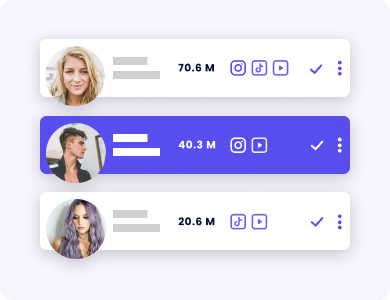
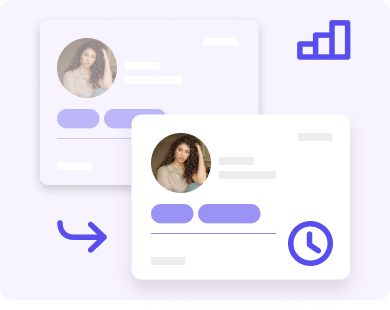
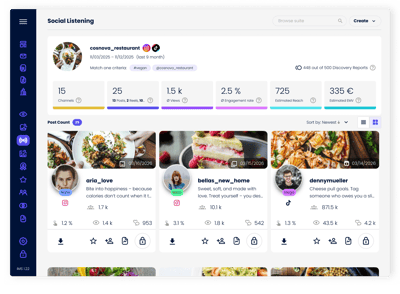 A brand that learns about a creator controversy two weeks too late has already missed its chance to influence it. IROIN®’s social listening is designed to close this gap. It tracks brand mentions and creator content on Instagram and TikTok, with historical visibility of up to one year, so you can identify a problem while it’s still taking shape. This same monitoring also works in your favor. It brings to light the creators who are already talking about your brand without a briefing and who are often your most credible future partners, precisely because no one has paid them to do so.
Prove which collaborations actually drive revenue
If a platform can track the connection between a creator’s recommendation and a sale, then knowing exactly which creators and which content have delivered real results becomes both your best defense and your best tool for budget planning.
And this isn’t just theoretical money. Instagram’s commerce push is massive and continues to grow: According to Statista, the global market for influencer marketing on Instagram will exceed the $22 billion mark for the first time in 2025, and Reels now account for around 50% of the total time spent on the platform. Spending at this scale without proper attribution means paying for an impact you can’t prove.
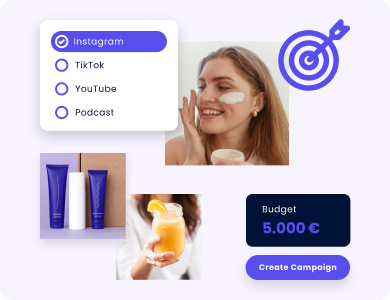
IROIN®’s “ ” reporting turns creator activity into proof. Teams can track reach, engagement, EMV, ROI, and sales performance in real time, link traffic generated by creators to links and promo codes, and connect social activity to results in Shopify or WooCommerce. Sentiment analysis reveals the “why” behind the numbers and turns thousands of comments into a clear understanding of how a target audience actually reacted. While the platform is busy pushing its way into your funnel, it’s the brands that can continue to clearly measure their own creators who retain control over the relationship and the budget.
Conclusion
At first glance, “Shop the Look” looks like the story of a faulty AI feature. In reality, it’s the story of where the value lies in influencer marketing and how easily a platform can intervene and disrupt everything. The insights can be broken down into four points.
First: Trust is the key asset. Target audiences act on creators’ recommendations because they trust them, and that trust is far more valuable—and far more fragile—than mere reach.
Second: Due diligence makes collaborations resilient. If you can’t control a platform’s behavior, choosing creators with a genuine, authentic, and well-understood audience is your strongest defense against the next surprise.
Third: Speed determines whether you can react at all. Problems first emerge in the conversation, so real-time monitoring is the difference between helping to shape a moment and reading about it after it’s over.
Fourth: Attribution keeps you in the driver’s seat. While platforms try to intercept the path from influence to purchase, proving which creators drive revenue protects both your budget and your relationships.
None of this means pulling out of social commerce. It means running it on a foundation that truly belongs to you: the right creators, monitored in real time, clearly measured. IROIN® by Stellar Tech combines audience analysis, social listening, and comprehensive campaign reporting into a single workflow, so that brand safety, trust, and revenue can be managed together rather than in silos. Platforms will continue to experiment with creators’ content. Your job is to be sure of what lies beneath it all, and we’re here to get you there from day one.