




















Skip to the main content.

4 min read

Instagram Affiliate Commerce: More Attribution, More ROI

Instagram Affiliate Commerce: More Attribution, More ROI
7:49


Links in Reels: The Game Changer?

Instagram is expanding affiliate commerce in Reels, creating new paths from content to conversion. For marketers, this means more touchpoints, more data, but also more complexity. Those who understand which creators, formats, and links actually drive sales can optimize campaigns more effectively and clearly prove ROI.

Instagram shifts focus from content to conversion

Instagram Reel Links 2As JoinBrands reports, creators can now tag products directly in reels and earn affiliate commissions when users buy - with up to 30 products per reel. The feature is currently live in five markets, with Meta planning to expand to all 22 Instagram Commerce markets by spring 2026.

This is relevant because reels already account for more than 50% of time spent on Instagram, while 61% of users are between 18 and 34 years oldmaking the format particularly relevant for commerce-driven creator campaigns.

But the real point isn't just that Instagram is becoming shoppable. It's that marketers now have more opportunities to translate social content into measurable traffic and ultimately into attributable sales. Instagram opened up link stickers in Stories to everyone in 2021 and introduced up to five links in the bio in 2023. Taken together, these updates show a clear evolution: Instagram is multiplying the paths from content to conversion. This makes attribution more valuable for influencer marketers because there are more commerce touchpoints that can be linked to performance.

This is also one of the developments that we highlight in our Trend Guide 2026 - in particular how influencer marketing is becoming increasingly measurable across platforms.


Instagram makes Reels a stronger commerce platform

This update is relevant because Instagram is finally aligning commerce with the format that is already generating the most attention. Previous shopping features forced users out of their natural browsing behavior and into a more storefront-like environment. Now, product discovery takes place directly in Reels - exactly where users are anyway.

This makes the feature more consistent than Instagram's previous shopping approaches and much easier for brands to integrate into creator campaigns.

At the same time, this reflects a larger platform evolution. According to EMARKETER, more than half of US social buyers will store on TikTok in 2026. Creator-led shopping is, therefore, no longer a niche behavior but is becoming the standard. Instagram's move should be understood in this context: It does not copy TikTok Shop one-to-one but follows the same logic - bringing product discovery closer to content, reducing friction, and making creator influence more commercially viable.

For brands and agencies, this shifts the starting point of purchase intent. A product no longer has to wait for profile visits, story sequences, or bio links to be considered. It can appear directly in the content - at the exact moment when attention and trust are at their highest. This does not guarantee a conversion, but it shortens the path from influence to action and makes it more economically relevant.

 

Instagram opens up new paths from reels to revenue

The most important detail of this update is that the checkout still takes place outside of Instagram. As JoinBrands explains, when users click on a tagged product, they are redirected to the brand's website, app, or marketplace page to complete the purchase. This architecture is crucial because Instagram does not replace the brand's commerce ecosystem but redirects more qualified intent to it.

Instagram Reel Link 3This is where the opportunity becomes particularly visible for brands, agencies, and e-commerce teams. When creator content generates the click and the sale happens in a brand-controlled environment, this traffic can be much more clearly linked to links, promo codes, and sales performance than in a completely closed platform flow. Instagram is therefore not just adding another shopping format, but it is creating more opportunities to capture social demand and link it to business outcomes.
This is why existing outbound features remain relevant. The introduction of story link stickers has normalized direct traffic from content. There are now more potential landing pages thanks to the bio's numerous links. Native affiliate tagging in Reels does not replace these mechanics, but it complements them with another, more integrated entry point within the same ecosystem of measurable traffic.

The strategic question is therefore not whether influencer content can drive purchase impulses. The question is which creators, formats, and commerce touchpoints deliver the strongest impact. This is where attribution becomes more than just a reporting tool; it becomes an understanding of which activities actually generate revenue.


Why better attribution is becoming more important

With each new native commerce feature on Instagram, links and promo codes become more important because they connect platform activity with commercial results. A product tag can generate interest, but marketers need to understand what happens after the click. This is where campaign tracking becomes critical, translating visibility into actionable insights.

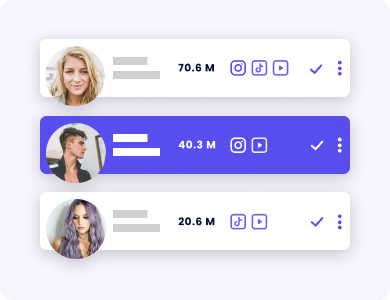
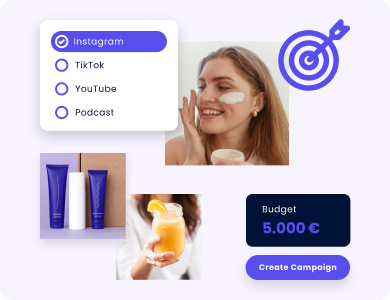
With IROIN®, we combine creator discovery, campaign execution, and performance measurement in one workflow. Teams can identify relevant creators from more than 440 million profiles on Instagram, TikTok, YouTube, Snapchat, and Twitch and manage campaigns with greater precision using AI-powered search and more than 45 filters. This makes creator selection faster and more accurate and reduces research effort by up to 60%.

Reporting CP, EMV, ROI_IROIN®

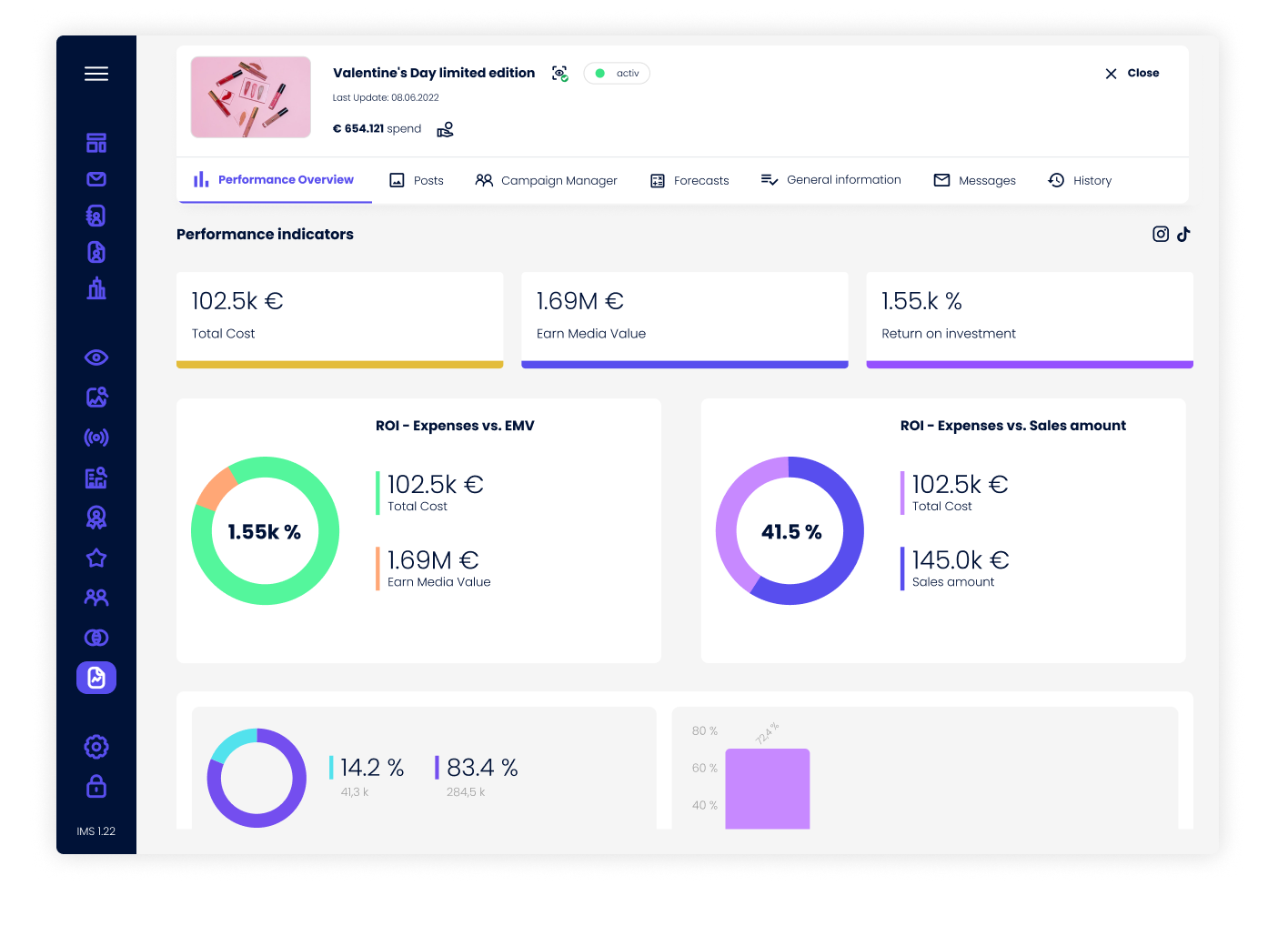
The same applies to reporting once campaigns are live. Marketers can measure traffic and sales performance via link tracking and promo code tracking to understand which creators, formats, and activations are actually delivering results. Teams working with Shopify or WooCommerce can link social traffic directly to visits, redemptions, and sales.

This is the real shift behind Instagram's latest commerce update. The more complex the path from content to conversion becomes, the greater the advantage for teams that can measure it cleanly. The most successful brands won't be those that use new features first - but those that can clearly link creator activity, traffic, and revenue.


Conclusion

Instagram's latest affiliate commerce update is relevant because it brings product discovery, creator influence, and commercial goals closer together. Reels are already one of the platform's strongest attention formats.

Adding native shopping functionality will make it easier for brands to translate visibility into action, but the real opportunity goes beyond the feature. As the number of paths from content to conversion increases, so does the importance of measuring what happens afterwards.

For brands, agencies, and e-commerce teams, this means going beyond engagement and developing a clear understanding of which creators, formats, links, and offers are actually driving traffic, sales, and ROI. This is where influencer marketing is evolving. Not because platforms facilitate commerce, but because marketers have more opportunities to link social activity with business outcomes. The teams that win in the long term are not necessarily the fastest adopters of new formats - but those that identify the right creators, manage campaigns efficiently and translate performance data into better decisions

.

Ready to measure Instagram Affiliate Commerce more clearly?

See how IROIN® helps brands and agencies connect creator content, trackable traffic, and attributable sales across Instagram and their other social channels, so campaign reporting becomes clearer, more complete, and easier to tie to real revenue.